Christian Missions
Christian missions are the work of proclaiming the Gospel of Jesus Christ, making disciples, strengthening local churches, equipping Christian leaders, and serving people in practical ways. Explore what Christian missions mean, how mission work is carried out, and how you can participate.
Christian mission begins with a command. Before leaving his disciples, Jesus told them to go and make disciples of all nations, baptising them and teaching them to obey everything he had commanded (Matthew 28:19–20). Everything Christians describe as "mission" flows from that sending.
Mission is therefore never only about announcing a message. It involves proclamation of the Gospel and the patient formation of disciples and healthy Christian communities — people who are taught, cared for, gathered into churches, and equipped to serve others in turn.
One widely referenced contemporary framing comes from the Lausanne Movement, a global network of evangelical churches and mission leaders. It describes global mission around four commitments: the Gospel for every person; disciple-making churches for every people and place; Christlike leaders for every church and sector; and kingdom impact in every sphere of society.
The Lausanne Movement is cited here as an authoritative description of how global Christian mission is commonly understood. Grow in Faith Ministries is an independent Pakistani nonprofit and is not affiliated with the Lausanne Movement.
What Are Christian Missions?
Christian missions are the organised and personal efforts of Christians and churches to participate in the mission of Jesus Christ: to make him known, to make disciples, and to serve people in his name.
In practice, that work can include:
- evangelism
- discipleship
- church planting
- Christian leadership training
- Bible teaching
- theological and Biblical education
- prayer
- pastoral ministry
- humanitarian and compassionate service
- education
- community outreach
Christian missions are not limited to one method, one denomination, one country or one culture. Mission happens locally, nationally and internationally; through churches, through Christian organisations, through partnerships, and through individual believers in ordinary work and relationships.
Different organisations approach this work differently. Convictions about method, emphasis and structure vary between traditions, and this page does not suggest that every Christian organisation practises mission in the same way.
The Great Commission and Christian Mission
The passage most often associated with Christian mission is Matthew 28:19–20, commonly called the Great Commission. In it, Jesus sends his followers to make disciples of all nations, to baptise, and to teach obedience to his commands.
Four elements are usually drawn from the passage:
- Going — mission moves toward people and communities rather than waiting for them to arrive.
- Making disciples — the goal is followers of Christ, not simply an audience for a message.
- Baptising — new believers are received publicly into the Christian community.
- Teaching — disciples are taught to understand and obey Christ over a lifetime, which is why mission and long-term teaching belong together.
Acts 1:8 is frequently read alongside it, where Jesus tells his disciples they will be his witnesses in Jerusalem, Judea, Samaria and to the ends of the earth. Christians have widely understood this as describing witness that begins where believers already are and extends outward — near and far at the same time, rather than one after the other.
These passages describe a calling. They are not a statistical programme, and this guide does not use them to make claims about numbers or outcomes.
What Does Christian Mission Work Look Like?
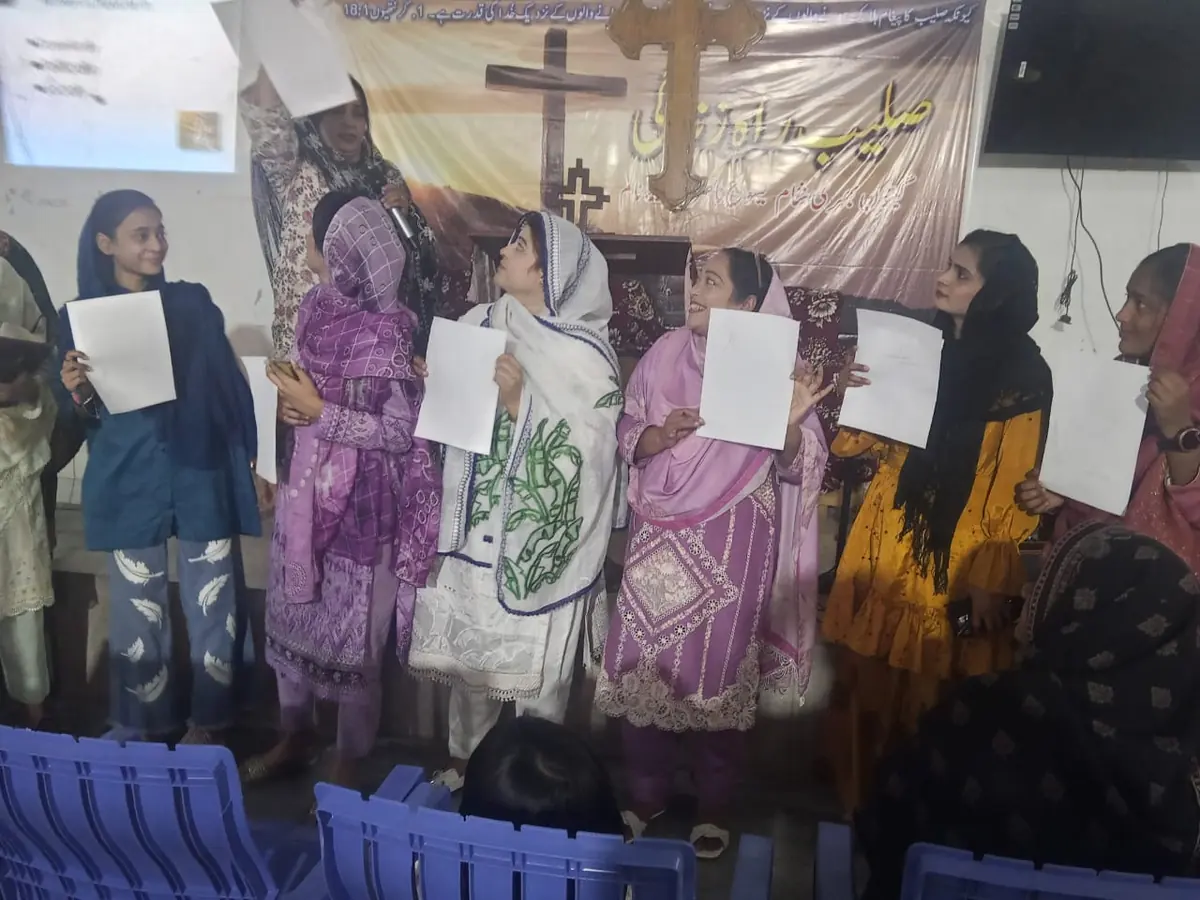
Mission work is usually a combination of several activities carried out together over time. The emphasis differs between organisations and contexts.
Evangelism
Sharing the good news of Jesus Christ with people who have not heard it, or who have not had it explained in a way they could understand. Evangelism happens in conversations, homes, church gatherings, outreach events and everyday relationships.
Discipleship
Walking with new and growing believers as they learn Scripture, develop Christian character, build a life of prayer and worship, and follow Christ in daily obedience. Discipleship is relational and takes time.
Church planting
Helping believers form healthy local Christian communities where they can worship together, learn the Bible, share fellowship, care for one another and serve their neighbourhood.
Leadership training
Equipping pastors, evangelists, teachers and other Christian leaders so that congregations are taught faithfully and cared for well, and so that ministry continues beyond any single worker.
Bible distribution and teaching
Making Scripture available in accessible forms and helping people read, understand and apply Biblical teaching in their own language and context.
Prayer
Prayer is not a preliminary to mission work; it is part of it. Churches, families and supporters share in mission by praying for people, leaders, congregations and communities.
Compassionate service
Serving people experiencing poverty, illness, vulnerability, displacement or other practical hardship — expressing Christ's love in tangible care as well as in words.
What Do Christian Missionaries Do?
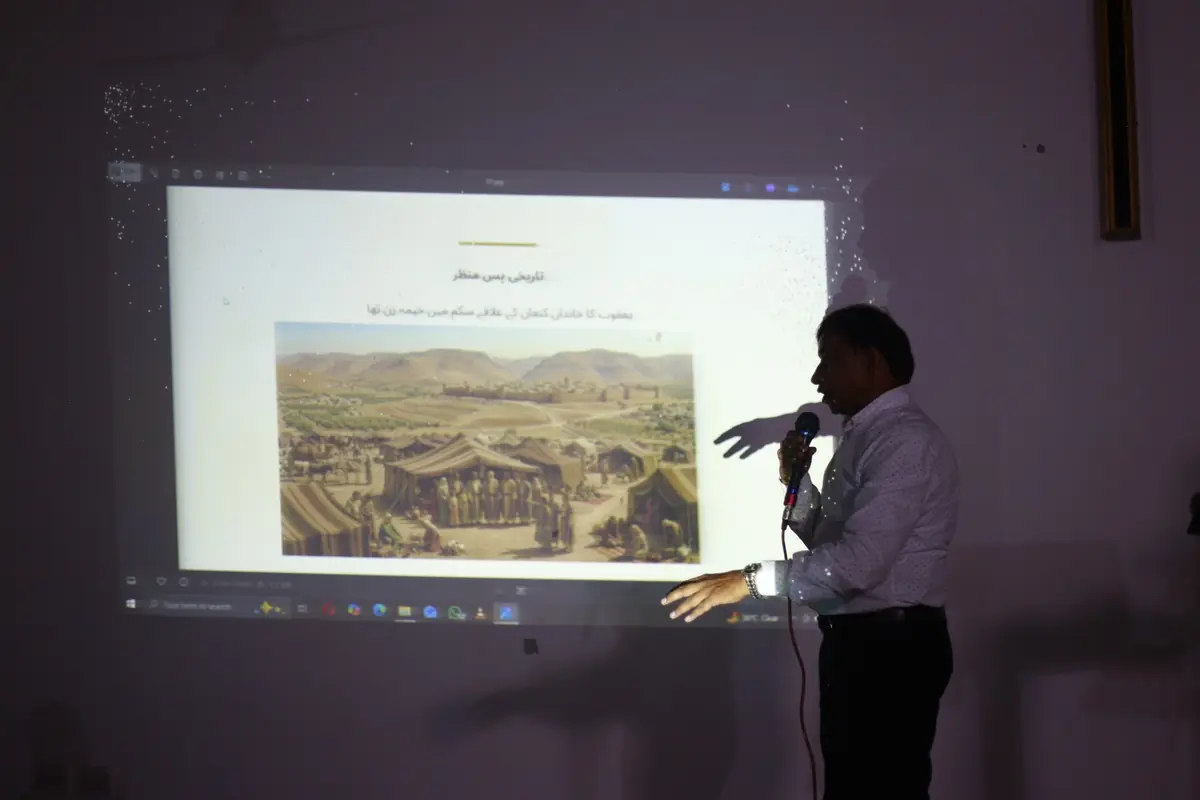
There is no single job description for a Christian missionary. Roles depend on calling, church, sending organisation, training and location. Mission workers serve as evangelists, church planters, pastors, teachers, Bible trainers, medical workers, educators, community development workers, youth workers and ministry leaders.
Much mission work today is carried out in close cooperation with local churches and local leaders — and in many places it is led by them. Mission workers who come from elsewhere are most useful when they serve within existing local relationships rather than around them.
It is worth stating plainly: missionaries are not outsiders who rescue local communities. Sustainable, healthy mission depends on:
- local leadership
- cultural understanding
- genuine partnership
- accountability
- discipleship
- healthy local churches
Christian Missions Today
Christianity is a globally distributed faith. Research by the Pew Research Center has documented how widely Christians are spread across regions of the world, and how much of the church's numerical centre has shifted toward Africa, Asia and Latin America over the past century.
One practical consequence is that Christian mission is no longer a movement flowing in a single direction. Churches in the global South send, train and support mission workers, and a great deal of mission is carried out by Christians serving within their own countries, languages and communities.
Context drawn from Pew Research Center studies on global Christianity. This guide does not state a current worldwide number of missionaries, because no single reliable and up-to-date figure exists that we can responsibly cite.
Christian Missions in Pakistan
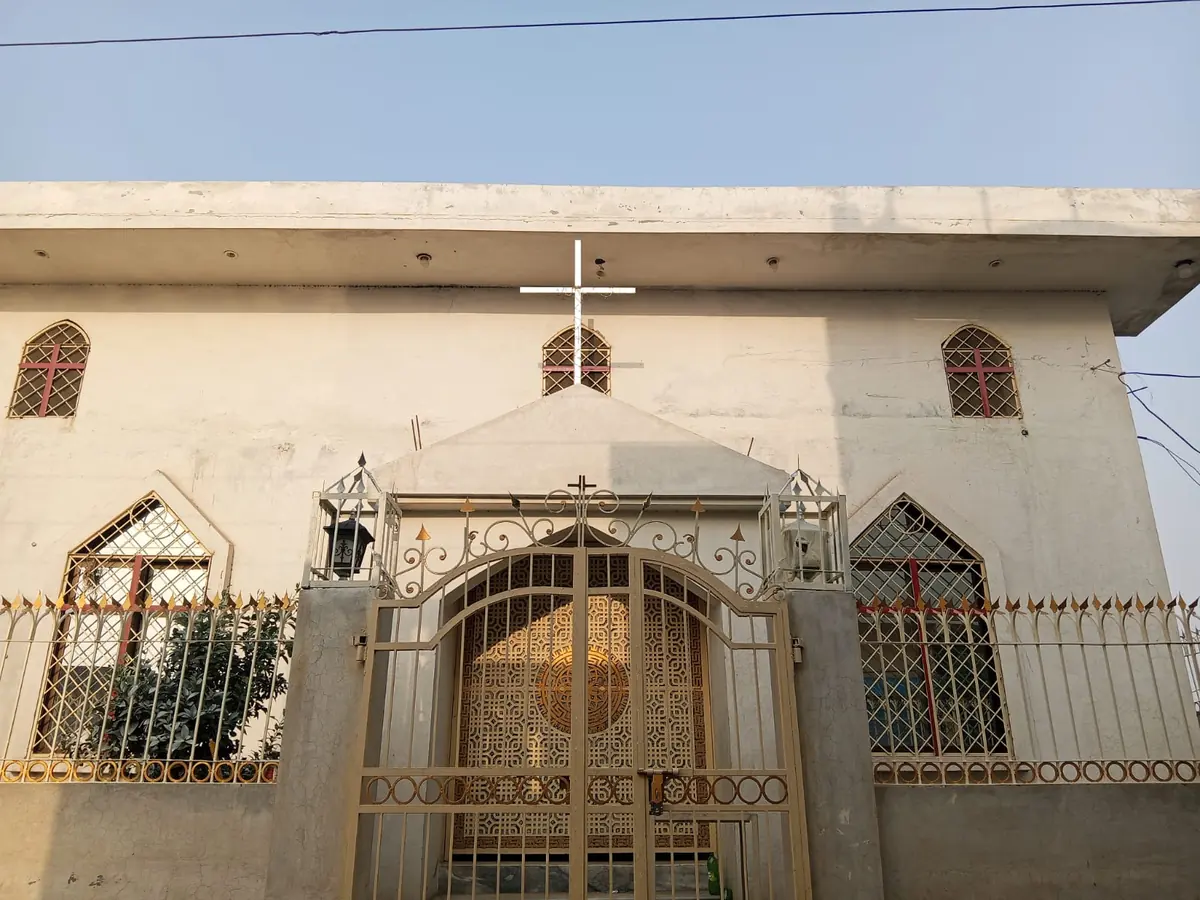
In Pakistan, Christian mission work is carried out through a range of churches, denominations, ministries and local Christian leaders. Pakistan's 2023 Population and Housing Census recorded 3,300,788 Christians, roughly 1.37% of the population — a minority community with a long history in the country. You can read more in our guide to Christians in Pakistan.
Mission activity in Pakistan commonly includes:
- evangelism
- discipleship
- church planting
- pastor and evangelist training
- Bible teaching
- Christian education
- children's programmes
- women's support and empowerment
- care for vulnerable families
- community outreach
- practical assistance
Circumstances differ widely. Christian life in a Lahore congregation is not the same as in a rural Punjab village or a Karachi neighbourhood, and Pakistani Christians should not be described as though they all share one situation. Effective ministry begins by understanding a particular community rather than a generalisation about the country.
Population figures: Pakistan Bureau of Statistics, Population and Housing Census 2023. The list above describes mission activity in Pakistan generally, not exclusively the work of Grow in Faith Ministries.
Why Local Christian Leadership Matters
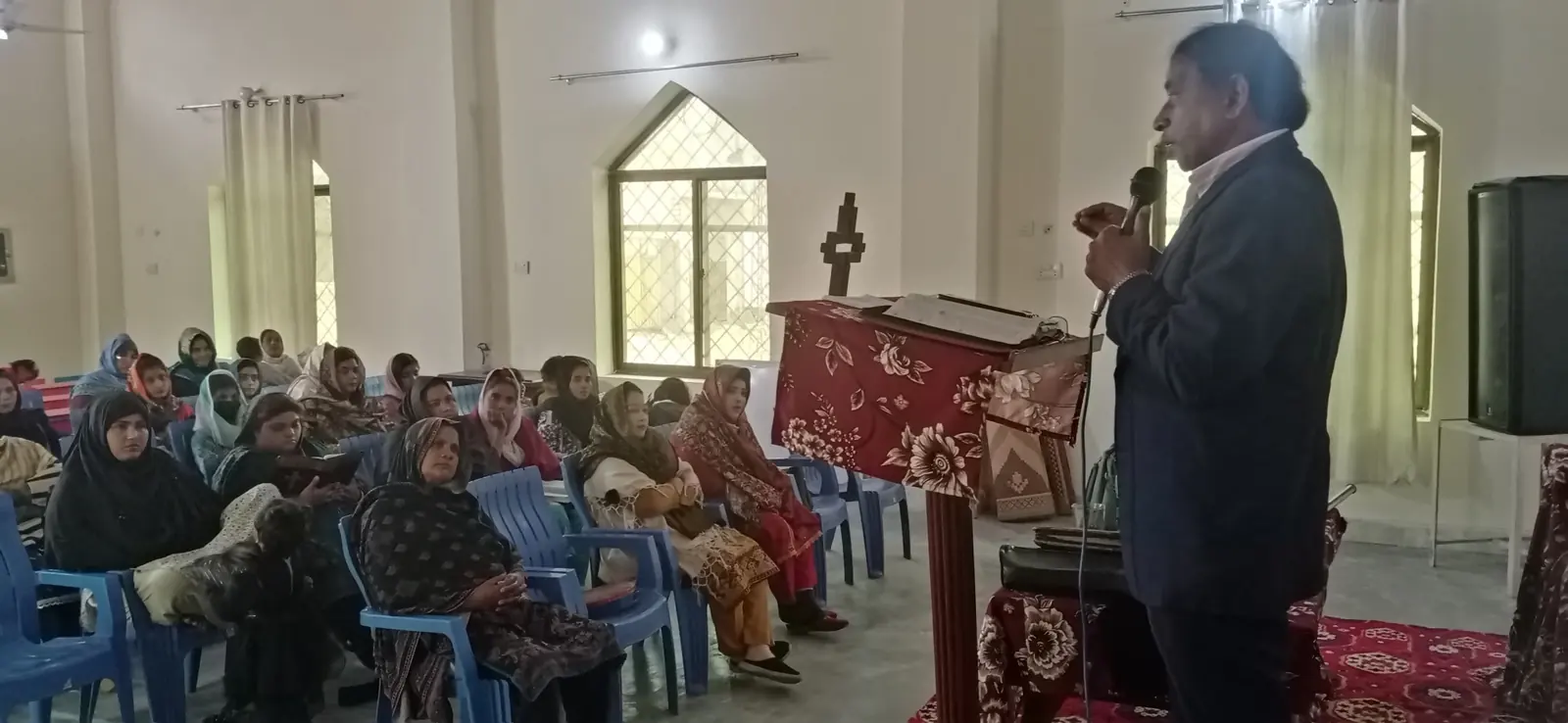
Mission that lasts is carried by local believers. Pastors, evangelists, teachers and lay leaders from within a community are the people who remain when a project ends, a visitor leaves or funding changes.
- Language — Scripture, preaching and pastoral counsel land most deeply in a person's own language.
- Cultural understanding — local leaders know the questions their neighbours are actually asking.
- Long-term relationships — trust is built over years of shared life, not short visits.
- Discipleship and pastoral care — ongoing teaching and care require presence.
- Accountability — leaders known by their congregation can be held to account by it.
- Continuity — trained leaders train others, so ministry does not depend on any one person.
This is why training is central to our work. Learn about our pastor and evangelist training and where we serve across Pakistan.
How Grow in Faith Ministries Serves Through Christian Mission
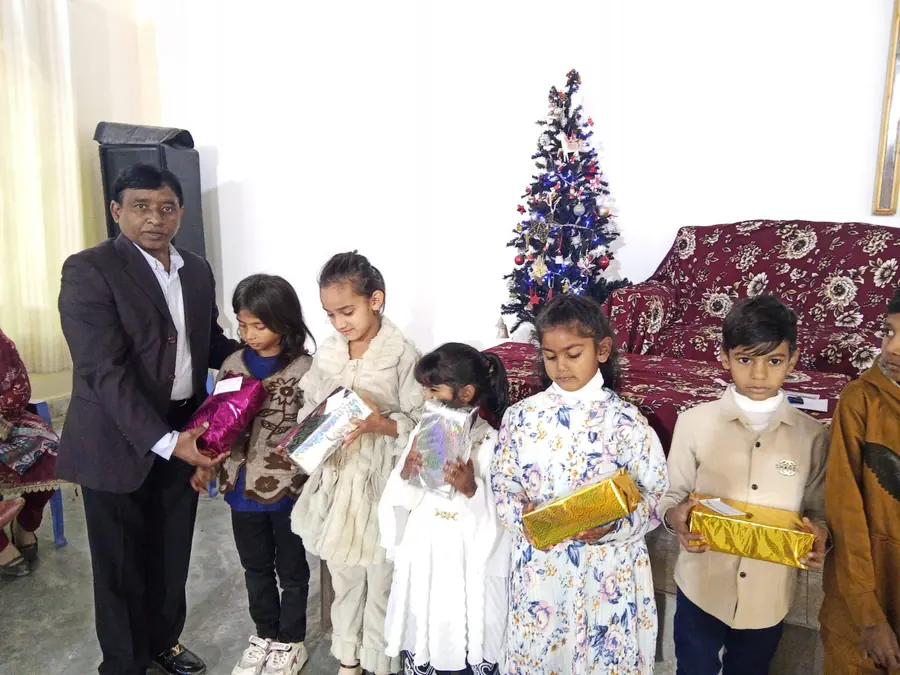
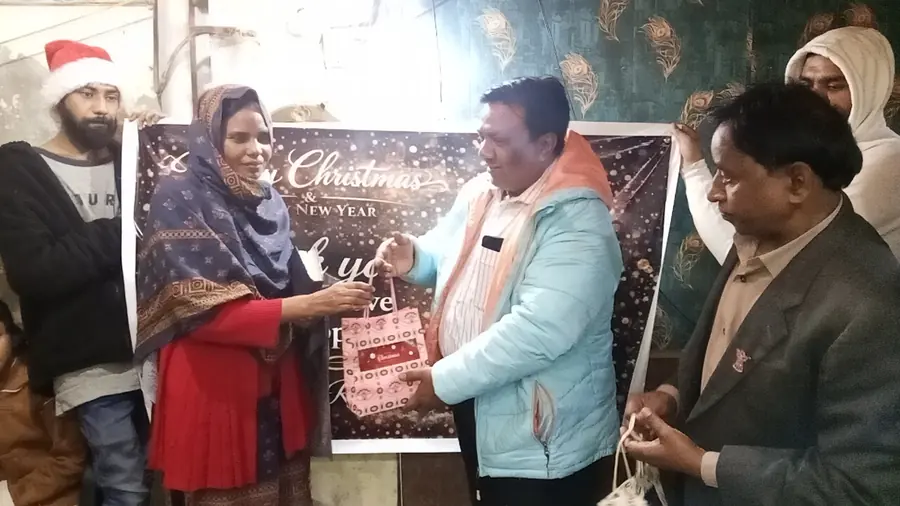
Grow in Faith Ministries serves communities across Pakistan by proclaiming the Gospel of Jesus Christ, equipping pastors and Christian leaders, strengthening local churches, and demonstrating Christ's love through compassionate community outreach. We are a registered Pakistani nonprofit based in Lahore.
Everything described above is general information about Christian mission. What follows is specifically our own work.
- Pastor & Evangelist Training
- Church Planting
- Children's Activities
- Women's Empowerment
- Care for Orphans
- Care for Widows
You can see where we serve, read our statement of faith, or find out how to get involved. More background is on our about page.
We describe our ministry qualitatively rather than with impact figures. We publish numbers only where we can verify them.
From the Gospel to Local Communities
Mission activities are rarely separate programmes. In practice they form a connected pathway, where each step supports the next and feeds back into the others.
- 1Gospel proclamation
- 2Discipleship
- 3Christian fellowship
- 4Leadership development
- 5Healthy local churches
- 6Compassionate service
- 7Long-term community strengthening
A person who hears the Gospel needs discipleship; a disciple needs a church; a church needs leaders; leaders shape a congregation that serves its neighbours; and that service opens the way for the Gospel to be heard again. Treating any one of these in isolation tends to weaken the rest.
How Can I Support Christian Missions?
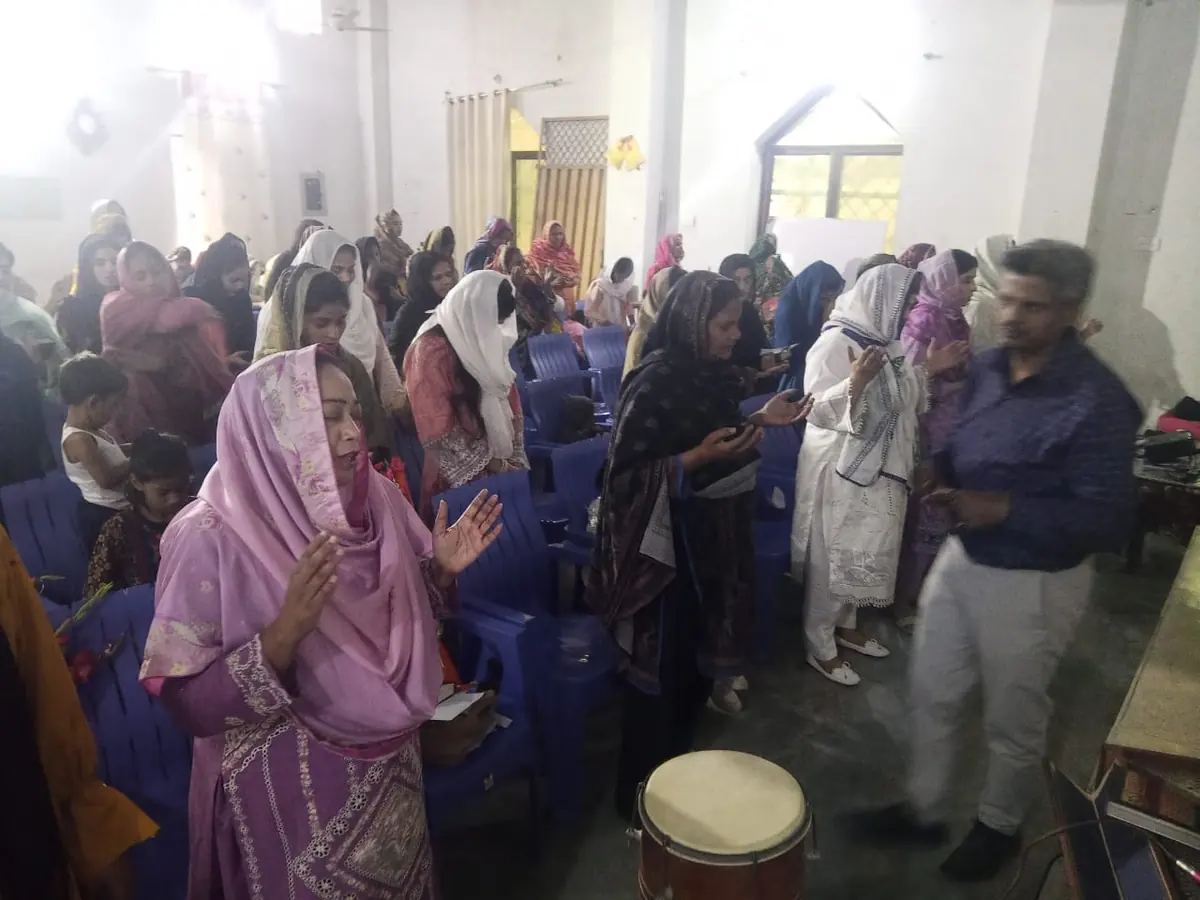
There is more than one way to take part, and giving is only one of them.
Pray
Pray for Christian leaders, churches, families, evangelism, discipleship and communities across Pakistan. Our Get Involved page explains how to begin, and our updates share specific requests.
Learn
Keep learning about the communities mission serves. Our guide to Christians in Pakistan covers population, history, churches and Christian life.
Partner
Churches, groups and individuals are welcome to explore ministry partnership with us. Start on Get Involved.
Give
Financial support helps ministries carry out Gospel work, training, church planting and compassionate service. Give securely through Donorbox.
Learn About Our Ministry and Support the Ministry
Discover more about Grow in Faith Ministries and how your partnership helps serve communities across Pakistan through Gospel ministry, leadership training, church planting, and compassionate outreach.
Frequently Asked Questions
What are Christian missions?
Christian missions are the organised and personal efforts of Christians and churches to share the Gospel of Jesus Christ, make disciples, strengthen local churches and serve people in practical ways. Mission takes place locally, nationally and internationally, through churches, Christian organisations, partnerships and individual believers.
What do Christian missionaries do?
Missionaries serve in a range of roles depending on their calling, training, church and location — as evangelists, church planters, pastors, teachers, Bible trainers, medical workers, educators, community development workers, youth workers and ministry leaders. Much of that work is done alongside local churches and local leaders rather than apart from them.
What is Christian mission work?
Christian mission work is the practical outworking of mission: preaching and explaining the Gospel, teaching Scripture, discipling believers, planting and strengthening churches, training leaders, praying, and serving people in need. Methods differ between organisations, denominations and cultural contexts.
What is the purpose of Christian missions?
Christians understand mission as participation in the commission Jesus gave his followers in Matthew 28:19-20 — to go, make disciples of all nations, baptise them, and teach them to obey what he commanded. The purpose is therefore both proclamation of the Gospel and the formation of disciples and healthy Christian communities.
How can I support Christian missions?
There are several legitimate ways to take part: pray for churches, leaders and communities; keep learning about the places and people mission serves; explore partnership as a church, group or individual; and give financially to support ministry work. Giving is one option among several, not the only one.
What does Christian mission work look like in Pakistan?
In Pakistan, mission work takes place through churches, denominations, ministries and local Christian leaders, and commonly includes evangelism, discipleship, church planting, pastor and evangelist training, Bible teaching, Christian education, children's programmes, women's support, care for vulnerable families and community outreach. Circumstances vary considerably between regions and communities.
How can I get involved in Christian missions?
Start with your local church, since most mission work is connected to a church or Christian organisation. From there you can pray, give, volunteer your time or skills, or explore a longer-term partnership. Our Get Involved page explains how to begin with Grow in Faith Ministries.
Continue Exploring
Christians in Pakistan
Learn about Christian communities, history, churches, faith, and Christian life in Pakistan.
Read the guideSources & Further Reading
These sources provide background and context for the general and factual material on this page. They are not sources for the ministry work of Grow in Faith Ministries, which we describe ourselves.
- Lausanne Movement — About the movement and global mission
- Lausanne Movement — Lausanne and Global Evangelicalism: Theological Distinctives and Missiological Impact
- Pew Research Center — The Size and Distribution of the World's Christian Population
- Pew Research Center — Faith and Conflict: The Global Rise of Christianity
- Pew Research Center — Priorities and Strategies for Evangelization
- Pakistan Bureau of Statistics — Population and Housing Census 2023
Research reviewed August 2026.
Stay Connected
Receive prayer updates, ministry stories, and news from our work across Pakistan.